Oldtown Signer Font for Retro Branding
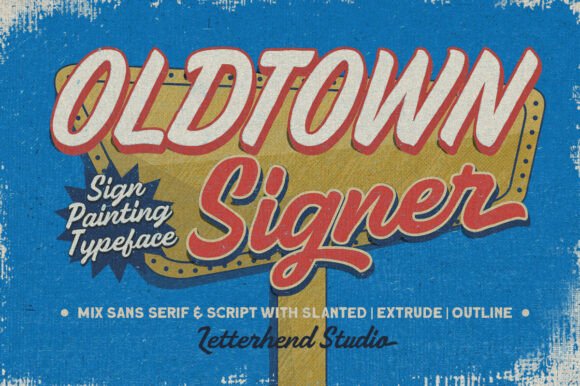
Working on a branding project for a local café recently, I found myself scrolling through my font library, searching for something that could capture the essence of a 60s diner. Oldtown Signer was the answer. This Script Handwritten font has this effortless, hand-painted charm that feels like it was designed in a sunlit studio with a paintbrush in one hand and a coffee cup in the other.
Oldtown Signer for Café Branding and Vintage Identity
When I first tested Oldtown Signer on a logo draft, I was struck by how it brought a sense of nostalgia without feeling outdated. The swashes and flourishes give it that authentic sign painter’s touch, making it perfect for a café that wants to evoke a warm, welcoming vibe. It works especially well for headlines, signage, and any design that needs a little personality.
Using Oldtown Signer for a café’s menu board or storefront sign gives it an almost hand-lettered feel, which is great for small businesses looking to stand out. The font’s natural flow makes it easy to pair with other elements, like a simple sans serif for body text, while still maintaining a cohesive look.
Oldtown Signer for Packaging Design and Product Labels
I often find that fonts can make or break a product label. Oldtown Signer, with its retro flair, is ideal for handmade or artisanal products. Whether it's a skincare brand or a boutique shop, this font adds a layer of authenticity that modern typefaces sometimes lack. It feels personal, like it was written just for the customer.
On a product label, Oldtown Signer stands out without being overwhelming. Its script style is readable enough for short phrases but expressive enough to add character. I’ve used it on packaging for a small candle company, where the font helped reinforce the handmade, artisanal aspect of the brand.
Oldtown Signer for Social Media Graphics and Digital Marketing
Oldtown Signer isn’t just for print. I’ve used it on Instagram posts, Facebook banners, and even email headers for a client’s promotional campaign. The font’s visual appeal translates well online, especially when paired with bold colors and vintage-style backgrounds. It adds a nostalgic touch that resonates with audiences who appreciate a bit of old-school charm.
For social media graphics, Oldtown Signer works best as a headline or accent font. It’s not meant for long paragraphs, but when used strategically, it can elevate the entire design. I’ve found that using it on a hero image or a call-to-action button creates a strong visual impact without sacrificing readability.
Oldtown Signer for Website Headers and Web Design
In web design, Oldtown Signer can be a powerful tool for creating a unique brand voice. I’ve used it on website headers for a creative studio, where it added a personal, artistic touch that matched the client’s aesthetic. The font’s fluidity gives it a softness that contrasts nicely with more structured layouts, helping to create visual interest.
It’s important to test Oldtown Signer at different sizes to ensure it remains legible. On smaller screens, the details can get lost, so I usually pair it with a simpler font for subheadings or body text. That way, the design stays clean and professional while still maintaining the character of the main headline.
Oldtown Signer for Logo Design and Brand Identity
Logos are all about clarity and memorability, and Oldtown Signer offers a fresh take on script fonts. Its handcrafted look gives it a unique edge that can help a brand stand out in a crowded market. I’ve used it on a few logos for small businesses, and the response has been positive—clients love how it feels both modern and timeless.
One thing to keep in mind is that Oldtown Signer works best as a display or logo font. It’s not ideal for large blocks of text, but when used sparingly, it can become the signature element of a brand’s identity. Pairing it with a more neutral typeface helps balance the design and ensures consistency across all materials.
Oldtown Signer for Editorial Design and Print Projects
Oldtown Signer also shines in editorial design, such as magazine spreads, brochures, or event invitations. Its organic shape and flowing lines make it ideal for projects that require a bit of elegance and warmth. I’ve used it on a few editorial pieces where the goal was to evoke a sense of nostalgia and craftsmanship.
For print projects, it’s essential to check the font’s performance in different sizes and formats. Oldtown Signer holds up well in larger sizes, making it a good choice for posters or flyers. When used in smaller text, however, it can become less readable, so it’s best reserved for headlines or short phrases.
Oldtown Signer for Merchandise and Creative Assets
Merchandise like t-shirts, mugs, and stickers often benefit from a font that feels personal and expressive. Oldtown Signer fits the bill perfectly. I’ve used it on a few custom designs for a local artist, and the results were impressive. The font’s personality comes through clearly, making the designs feel more authentic and engaging.
For merchandise, it’s important to consider how the font will look when printed. Some details may get lost in certain printing processes, so testing the font on mockups before final production is always a good idea. That way, you can ensure the final product looks exactly as intended.